How to Care for Activewear
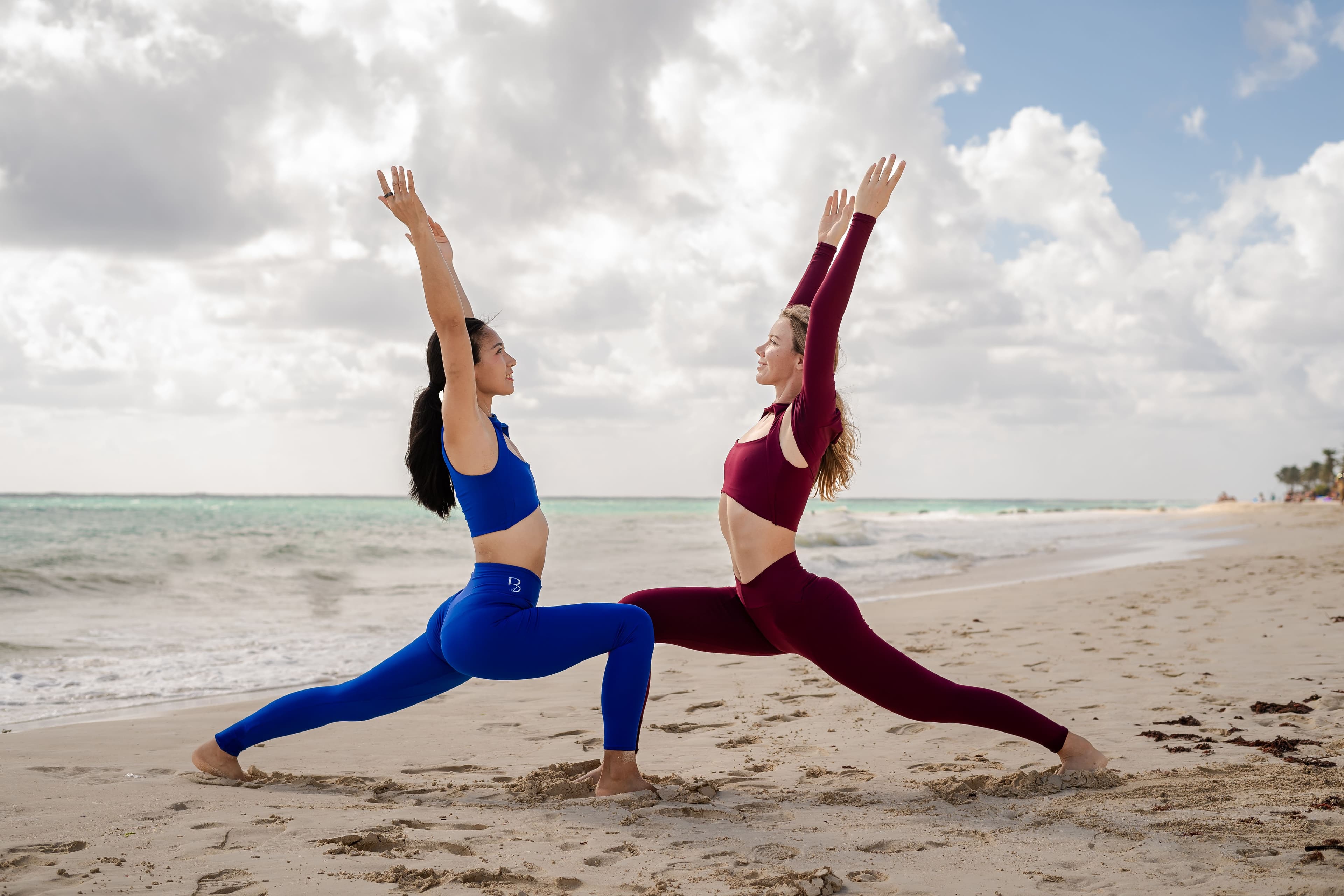
Activewear is engineered to keep you cool, dry, and comfortable during exercise — but those same performance fabrics need special care to keep working. Most activewear is made from polyester, nylon, spandex, or blends with moisture-wicking and stretch properties. Used the wrong way, regular detergents, fabric softeners, and hot dryers destroy elasticity, trap odors, and strip away technical finishes. Treated correctly, a good piece of activewear can last hundreds of workouts.
Cold water only
Air dry — never tumble high
Avoid — can melt fibers
Never
Not sure what the symbols on your label mean?
Decode every washtub, triangle, square, and iron icon in our visual guide.
Understanding Activewear Fabrics
Most activewear is built from technical synthetic blends designed to wick sweat, stretch, and resist odor. The most common materials include:
- check_circlePolyester — moisture-wicking, lightweight, dries fast
- check_circleNylon — durable, stretchy, smooth finish
- check_circleSpandex / elastane / Lycra — provides stretch (usually 5–20% of blend)
- check_circlePolypropylene — extreme moisture-wicking, used in base layers
- check_circleMerino wool — natural moisture management and odor resistance
Why Activewear Needs Special Care
Athletic fabrics are engineered with very fine, tightly woven synthetic fibers that trap body oils and sweat-eating bacteria. Standard washing routines often make activewear smell worse over time, not better.
- check_circleBody oils get trapped in synthetic fibers and feed odor-causing bacteria.
- check_circleHot water and high dryer heat break down elastane and damage technical coatings.
- check_circleFabric softeners coat the fibers and destroy moisture-wicking ability.
- check_circleBleach yellows synthetics and degrades stretch.
Washing Activewear
Wash activewear as soon as possible after use. Letting sweaty clothes sit damp in a gym bag accelerates odor and bacteria buildup.
Pre-Wash
For very smelly or sweat-soaked pieces, pre-soak before washing.
- Fill a basin with cool water.
- Add ½ cup of white vinegar or a sports-specific detergent.
- Soak the activewear for 15–30 minutes.
- Move directly into the washing machine without rinsing.
Machine Washing
Always turn activewear inside out before washing — this exposes the parts that absorbed sweat.
- checkWash inside out to protect the outer surface from pilling.
- checkUse cold water only — heat damages elastane and locks in odors.
- checkUse a sport detergent or a small amount of mild detergent.
- checkSkip fabric softener and dryer sheets — they ruin moisture-wicking finishes.
- checkUse a gentle or normal cycle.
- checkWash with similar fabrics — avoid Velcro, zippers, or rough materials that snag.
Drying Activewear
Air drying is the gold standard for activewear. High heat from the dryer is the single fastest way to ruin technical fabrics.
- check_circleHang or lay flat in a well-ventilated area.
- check_circleKeep out of direct sunlight to prevent fading and UV damage to elastane.
- check_circleIf you must tumble dry, use no heat or air-only setting.
- check_circleRemove promptly — wrinkles set fast in synthetic fibers.
- check_circleNever iron activewear — the fibers melt at relatively low temperatures.
Removing Sweat Odors
If your activewear smells even after washing, bacteria has built up inside the fibers. A vinegar soak usually solves it.
- Soak in cool water with 1 cup of white vinegar for 30 minutes.
- Wash as usual with cold water and a sport detergent.
- Add ½ cup of baking soda to the wash for stubborn odors.
- Air dry completely — any leftover moisture brings the smell back.
- For chronic odor, use an enzyme-based sport detergent like HEX or WIN.
Common Activewear Problems
Persistent Odors
The most common activewear issue. Caused by trapped body oils and bacteria — usually solved with a vinegar soak.
Loss of Stretch
Heat is the main cause. Hot water and hot dryers degrade elastane, making leggings and sports bras saggy.
Pilling
Caused by friction with rough fabrics, Velcro, or zippers. Wash activewear inside out and avoid mixing loads.
Fading Colors
UV light, hot water, and harsh detergents fade dark activewear quickly. Cold water and shade drying preserve color.
Coating Damage
Many activewear pieces have technical finishes (DWR water-repellent, anti-microbial, compression). Fabric softener and bleach destroy these treatments.
Stain Removal Tips
Treat stains immediately — once they dry, they're harder to lift from technical fabrics. Always test on a hidden area first. Common stains on activewear include:
- check_circleSweat and yellow underarm stains
- check_circleDeodorant white marks
- check_circleGrass (from sports)
- check_circleMud
- check_circleBlood (from scrapes)
- check_circleSunscreen
- check_circleEnergy drink / sports drink spills
Storage
Activewear stores easily — synthetic fabrics resist moths and wrinkles — but it must be fully clean and dry first.
- check_circleAlways wash and fully dry before storing.
- check_circleFold rather than hang stretchy items like leggings and bras.
- check_circleStore in a cool, dry place away from direct sunlight.
- check_circleAvoid plastic bags for long-term storage — synthetic fibers can off-gas.
Frequently Asked Questions
Why does my activewear still smell after washing?
Body oils and bacteria trapped in the synthetic fibers. Try a 30-minute pre-soak in cool water with white vinegar, then wash on cold with sport detergent.
Can I use fabric softener on activewear?
No. Fabric softener coats the fibers and destroys their ability to wick moisture. Use white vinegar in the rinse cycle instead if you want extra softness.
Can activewear go in the dryer?
Only on no-heat or air-dry settings. Heat damages elastane and reduces the life of compression garments dramatically.
How often should I wash activewear?
After every workout. Letting sweaty activewear sit overnight in a gym bag is the fastest way to develop permanent odors.
Does cold water actually clean activewear?
Yes — modern sport detergents are formulated for cold water and clean more thoroughly than hot water, which actually locks oils into the fibers.
tips_and_updatesPro Tips
- starThrow activewear straight into a cold-water soak when you get home — leaving it in a gym bag is what causes permanent odors.
- starSkip the fabric softener forever. Vinegar in the rinse cycle softens activewear without coating the fibers.
- starIf you race or train hard, invest in a sport-specific detergent like HEX, WIN, or Defunkify — they use enzymes that break down sweat better than regular detergents.
shopping_bagNeed cleaning products?
Browse our handpicked stain removers and cleaners — or compare the best of 2026 in our buying guides.