How to Care for Leather
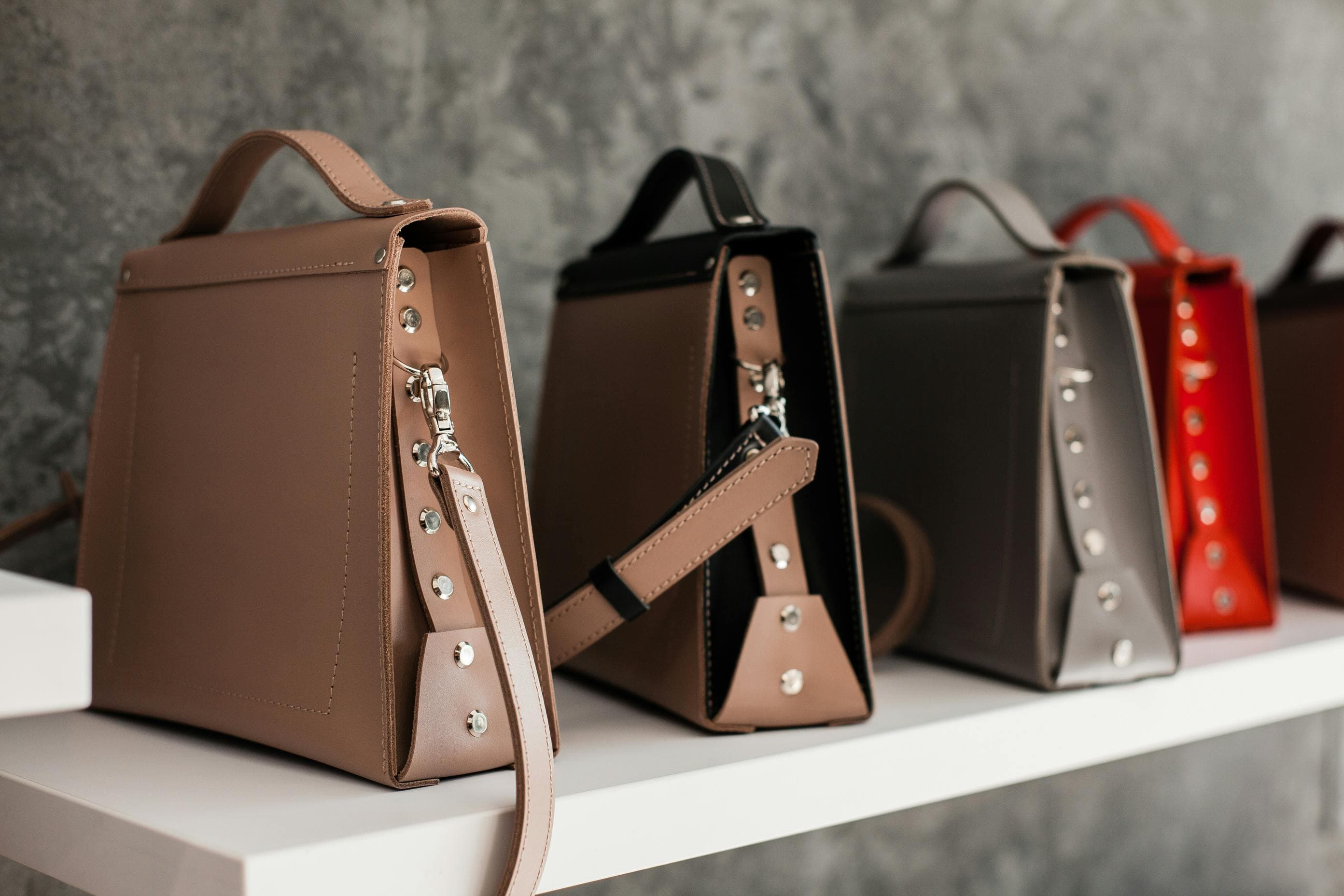
Leather is a durable and timeless material used in jackets, shoes, handbags, furniture, car interiors, and accessories. High-quality leather can last for decades when properly maintained, but neglect and improper cleaning can lead to cracking, fading, staining, and drying out. Learning how to care for leather helps preserve its appearance, softness, and longevity.
Spot clean only — never machine wash
Air dry away from heat
Never iron leather
Never
Not sure what the symbols on your label mean?
Decode every washtub, triangle, square, and iron icon in our visual guide.
Understanding Leather
Leather is made from animal hides that have been processed and treated. Different types of leather require slightly different care. Because leather is porous, it can absorb oils, liquids, and stains if not protected. Common types include:
- check_circleFull-grain leather
- check_circleTop-grain leather
- check_circleGenuine leather
- check_circleBonded leather
- check_circleNubuck leather
- check_circlePatent leather
Routine Leather Care
Regular maintenance prevents many common problems.
Weekly Care
- checkDust leather surfaces with a soft, dry cloth.
- checkWipe away spills immediately.
- checkAvoid placing leather in direct sunlight.
Monthly Care
- checkClean leather using an appropriate leather cleaner.
- checkInspect for dryness or cracking.
Conditioning
Leather naturally loses moisture over time. Most leather items benefit from conditioning every 6–12 months. Always follow the manufacturer's instructions. Conditioning helps:
- checkMaintain flexibility
- checkPrevent cracking
- checkPreserve appearance
Cleaning Leather
Never scrub aggressively.
Light Cleaning
For routine cleaning:
- Use a soft microfiber cloth.
- Dampen slightly with distilled water.
- Wipe gently.
- Allow the leather to air dry naturally.
Deeper Cleaning
When more cleaning is needed:
- checkUse a cleaner designed specifically for leather.
- checkApply according to product instructions.
- checkAvoid soaking the material.
Drying Leather
If leather becomes wet. Do not use hair dryers or tumble dryers.
- check_circleBlot excess moisture immediately.
- check_circleAllow it to dry naturally at room temperature.
- check_circleKeep it away from radiators, heaters, and direct sunlight.
- check_circleReshape shoes or bags while drying if necessary.
Common Leather Problems
Cracking
Usually caused by dryness and lack of conditioning.
Fading
Direct sunlight can bleach leather over time.
Water Stains
Improper drying may leave marks.
Scratches
Minor scratches can sometimes be minimized with conditioning products.
Dryness
Environmental conditions can strip natural oils from leather.
Stain Removal Tips
Treat stains as quickly as possible. Common stains on leather include:
- check_circleCoffee
- check_circleWine
- check_circleInk
- check_circleGrease
- check_circleMakeup
- check_circleFood spills
- check_circleMud
- check_circleWater spots
Important Guidelines
- checkBlot spills immediately.
- checkAvoid harsh household cleaners.
- checkNever use bleach.
- checkTest products on a hidden area first.
- checkConsult a professional for valuable leather items.
Storage
Proper storage extends leather's lifespan.
- check_circleStore clean, dry items.
- check_circleUse breathable dust bags.
- check_circleMaintain good air circulation.
- check_circleAvoid plastic bags.
- check_circleKeep away from heat and direct sunlight.
- check_circleStuff handbags and shoes with acid-free paper to maintain their shape.
Frequently Asked Questions
Can leather be washed in a washing machine?
No. Most leather items should never be machine washed.
How often should leather be conditioned?
Generally every 6–12 months, depending on use and climate.
What should I do if leather gets wet?
Blot excess moisture and allow it to air dry naturally away from heat sources.
Can leather stains be removed at home?
Many minor stains can be treated at home, but delicate or expensive items may require professional cleaning.
How long does leather last?
With proper care, high-quality leather can last for decades and often improves in appearance as it ages.
tips_and_updatesPro Tips
- starFor minor scratches on leather, a small amount of olive oil rubbed gently into the scratch can blend it back into the surface.
- starSalt stains on leather boots in winter are common — wipe immediately with a 1:1 white vinegar and water solution before they dry.
- starIf leather develops mold, wipe with a cloth dampened in 1:1 rubbing alcohol and water, then condition immediately to restore moisture.
shopping_bagNeed cleaning products?
Browse our handpicked stain removers and cleaners — or compare the best of 2026 in our buying guides.