How to Care for Quartz
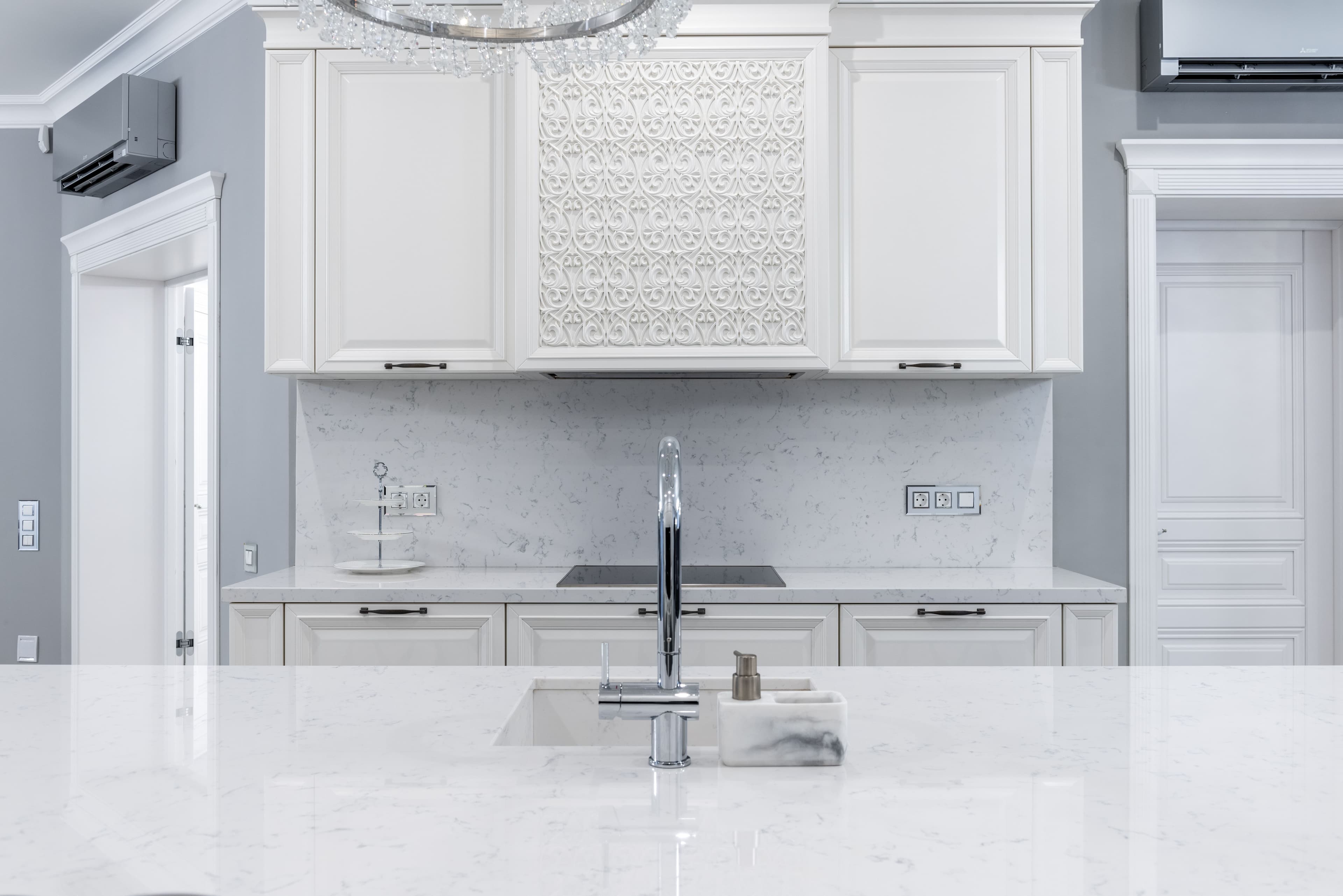
Quartz countertops are one of the most popular choices in modern kitchens and bathrooms. They offer the elegant appearance of natural stone while requiring less maintenance. Quartz is highly durable, resistant to staining, and available in a wide variety of colors and patterns. Although quartz is relatively easy to care for, proper cleaning habits can help preserve its appearance and extend its lifespan.
Warm water with mild dish soap
Dry with microfiber cloth
N/A
Never — damages the resin
Not sure what the symbols on your label mean?
Decode every washtub, triangle, square, and iron icon in our visual guide.
Understanding Quartz
This manufacturing process creates a non-porous surface that resists many common household stains. Because quartz contains resins, it requires slightly different care than natural stone. Unlike granite and marble, quartz countertops are engineered surfaces made from:
- check_circleCrushed natural quartz
- check_circleResins
- check_circlePigments
Routine Cleaning
Daily Care
For everyday cleaning. Most spills can be removed easily when addressed promptly.
- checkWipe surfaces with a microfiber cloth.
- checkUse warm water and mild dish soap.
- checkDry the surface to prevent streaks.
- checkClean food preparation areas regularly.
Weekly Maintenance
- checkInspect for residue buildup.
- checkClean around sinks and faucets.
- checkRemove fingerprints and grease deposits.
- checkDry thoroughly after cleaning.
Deep Cleaning
Occasionally, quartz benefits from more thorough cleaning. Avoid abrasive scrubbing tools.
- Remove loose debris.
- Apply a quartz-safe cleaner.
- Wipe using a soft cloth.
- Rinse if necessary.
- Dry completely.
Common Quartz Problems
Residue Buildup
Improper cleaners may leave films on the surface.
Heat Damage
Excessive heat can damage the resin binders.
Surface Dulling
Harsh chemicals may reduce shine.
Discoloration
Prolonged UV exposure can affect some quartz surfaces.
Scratches
Although scratch resistant, quartz is not completely scratch proof.
Stain Removal Tips
Treat spills promptly. Common quartz stains include:
- check_circleCoffee
- check_circleRed wine
- check_circleTomato sauce
- check_circleGrease
- check_circleCooking oil
- check_circleJuice
- check_circleMakeup
- check_circleFood coloring
- check_circleHard water spots
Important Guidelines
- checkBlot spills immediately.
- checkAvoid bleach and oven cleaners.
- checkNever use abrasive powders.
- checkTest unfamiliar products in an inconspicuous area first.
- checkUse cleaners specifically approved for quartz surfaces.
Preventing Damage
Preventative care helps preserve the finish. Protect quartz countertops by:
- check_circleUsing cutting boards.
- check_circlePlacing trivets under hot cookware.
- check_circleWiping spills promptly.
- check_circleAvoiding harsh chemicals.
- check_circleKeeping small appliances that generate heat on protective mats.
Frequently Asked Questions
Does quartz need to be sealed?
No. Quartz countertops are non-porous and generally do not require sealing.
Can hot pans be placed directly on quartz?
No. Sudden temperature changes may damage the resin components.
Is quartz stain proof?
Quartz is highly stain resistant, but no surface is completely stain proof.
Can vinegar be used on quartz?
Occasional diluted use is unlikely to cause immediate damage, but quartz-safe cleaners are recommended for routine care.
How long do quartz countertops last?
With proper care, quartz countertops can last for decades while maintaining their appearance.
tips_and_updatesPro Tips
- starFor dried-on residue, lay a damp cloth over the spot for 5 minutes — the moisture softens the residue enough to wipe away without scrubbing.
- starSkip the abrasive sponges and bleach — both can permanently dull quartz's polished surface.
- starAlways use a trivet, even for warm pans — quartz can handle quick contact but sustained heat (above ~150°C) softens the resin binders.
shopping_bagNeed cleaning products?
Browse our handpicked stain removers and cleaners — or compare the best of 2026 in our buying guides.